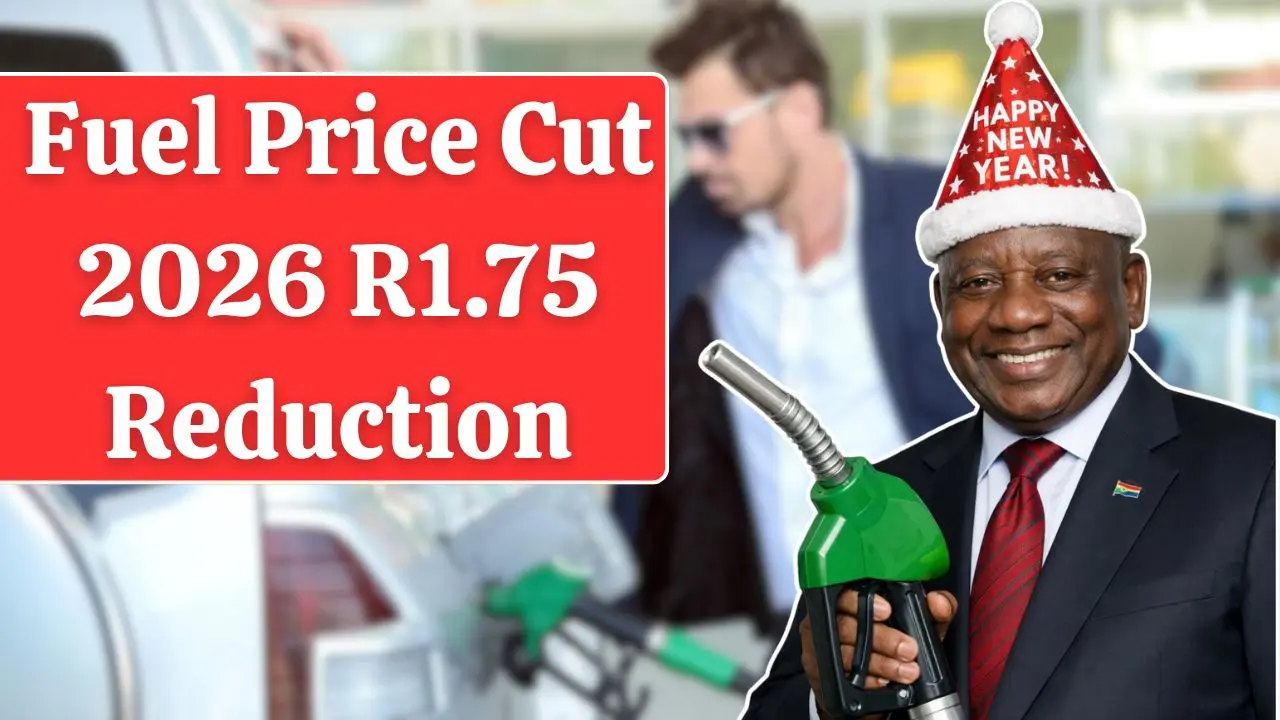
As the driving season of 2026 passes, the colors are turning sort of-and prices in terms of the spirit. Petrol and diesel retail prices are to drop by R1.75/L come New Year’s. This price cut is welcome respite after several tight months of high living and transport prices. This positioning of the price measure comes under the pattern of standard government periodic review of changes in fuel prices that are based upon global crude oil prices, movements in foreign exchange rates, and domestic levy charges.
The Most Important Reasons for the Fuel Surplus
The R1.75 increase results from an abrupt decline in international crude oil prices and better management of supply conditions reaching the end of 2025. Some relief came through better for global energy markets to reduce some of the cost associated with importing refined fuel products and to take advantage of stable oil prices. The Rand’s slight rise, fuel clinics, and the talk of some minor refiners’ cuts induced positive momentum in the market, which directly led to lowering the general import bill on fuel and the spiking of oil prices.
Effect on Motorists and Households
This change is essentially beneficial to the majority of motorists as they are experiencing savings at the fill-up stations, especially for those who have extended commutes or major use of personal automobiles. Other than taxi drivers, delivery personnel, and other starting-up types of businesses needing vehicles for their businesses, lesser operational costs are considered a right hand to enhance sustenance. Notwithstanding, the benefit gained from enhanced disposable income accruing over time beneficial to many households that are already suffering under the inflation pressure of food, electricity, and housing costs.
Possible effects having impact on a broader economic scale
Lower fuel costs, once enforced, are going to influence a broader zone of this economy. The saved costs of transportation and logistics might be an excuse to delay price prohibitive consumer goods, especially those transported by road. The significant point is a fuel price cut (unaided by other macro measures) does very little to address the broader inflationary pressures, but instead gives massive comfort to the economy as a whole in terms of keeping it stable and in the best shape on buyer confidence as the new year begins.
What receives the program; what we can infer coming?
The fuel price cut of R1,75 has provided short-term relief to people; however, fuel prices are vulnerable to world market trends and currency fluctuations. Motorists shall be on their toes as fuel pricing could either go down or up in 2026, depending on international oil trends and local economic conditions. Regular tracking of official fuel price announcements relatively helps with consumer budget planning on transportation.
Conclusion
Going forward, the fuel cut effectuating in January 2026 is in the interest of the South African people, considering relief to the costs of transportation and boosting household incomes slightly but significantly. Stability is anticipated in global energy markets, ensuring affordable fuel pricing throughout the year.